Cook Kitchen Embroidery: A Designer’s Practical Review
As a designer who spends more time staring at stitch simulations than I do sleeping, I have learned to be skeptical of cute concepts. We see thousands of machine embroidery design files every week, and many look charming on a thumbnail but fall apart under the needle. However, when I pulled up the Cook Kitchen Embroidery file for a recent client project, my initial skepticism quickly turned into genuine appreciation for its versatility and structural integrity.
This review is not just about whether the design is "cute." It is about whether it works in the real world. I evaluated this embroidery file with the mindset of a small business owner and a technical embroiderer. I wanted to know if it would hold up on a textured linen towel, if it would puckers on a stretchy sweatshirt, and if it offers enough visual interest to justify the price point for an Etsy seller or boutique owner.
First Impressions: Mood and Visual Personality
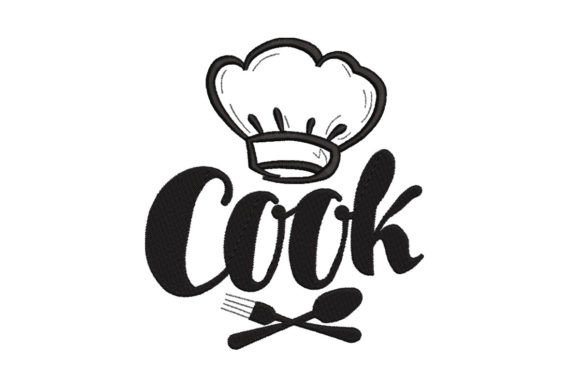
The first thing that strikes you about the Cook Kitchen Embroidery design is its balanced composition. Featuring cooking tools and a chef’s hat, it immediately evokes a sense of warmth, hospitality, and culinary passion. It does not feel cluttered. In embroidery, negative space is just as important as the stitches themselves, and this layout respects that principle.
The mood is playful yet professional. It avoids the overly cartoonish aesthetic that can sometimes cheapen a handmade product, opting instead for clean lines and recognizable shapes. This makes it suitable for a wide demographic, from young adults setting up their first apartment to seasoned home cooks who take pride in their kitchenware. For a designer, this broad appeal is crucial. It means the design is not limited to a niche market but can serve as a staple in a broader catalog of design assets.
Real-World Application: From Aprons to Tote Bags
To truly test the viability of this design, I simulated its application across several common products. The most natural fit is, unsurprisingly, kitchen textiles. I envisioned this stitched onto a high-quality cotton apron. The satin stitch elements in the chef’s hat provide a nice sheen that contrasts beautifully with the matte fabric of the apron body. It creates a focal point that draws the eye without overwhelming the garment.
Beyond the kitchen, I considered its use in custom apparel. Imagine this design on the chest pocket area of a denim shirt or a canvas tote bag design. The compact nature of the motif allows it to sit neatly in smaller spaces. For Etsy sellers looking to expand beyond seasonal items, this design offers year-round relevance. Unlike holiday-specific motifs, cooking is a daily activity, making this a consistent seller for small shop product lines.
I also tested the concept mentally for a personalized gift scenario. Pairing this design with a monogram could create a highly valued item for housewarmings or wedding gifts. The cooking tools provide context, while the chef’s hat adds a touch of whimsy. It transforms a standard towel or pot holder into a thoughtful, curated present.
Technical Performance and Stitch Quality
From a technical standpoint, the execution of the Cook Kitchen Embroidery design appears solid. The transition between different stitch types seems well-managed. The use of fill stitch for the larger areas of the chef’s hat suggests good coverage, which is essential for preventing the background fabric from showing through, especially on lighter materials.
However, designers must pay attention to stitch density. While the preview looks clean, dense areas can cause pulling on thin fabrics. I recommend using a cut-away stabilizer for garments that will be washed frequently, such as tea towels or aprons. For decorative items like pillow covers that see less wear, a tear-away stabilizer might suffice, but always test first. The running stitch outlines appear crisp, which helps define the shapes of the cooking tools, ensuring they remain recognizable even from a distance.
One critical aspect to consider is the scale. When resizing any digital embroidery file, you risk distorting the stitch count and density. If you plan to shrink this design for a small embroidered patch or a baby item, ensure that the details do not become too fine to stitch out cleanly. Tiny details can get lost or cause thread breaks if the needle cannot penetrate the dense cluster of stitches.
Fabric Considerations and Challenges
Not all fabrics behave the same way, and this design requires thoughtful material selection. On textured fabrics like waffle-weave towels, the finer details of the cooking tools might get lost in the weave. In such cases, increasing the size of the design or choosing a smoother section of the fabric for placement is advisable.
For dark fabric backgrounds, thread color contrast is paramount. A white chef’s hat on a black apron looks striking, but ensure your thread quality is high to prevent shading issues. Conversely, on light fabrics, subtle color variations in the cooking tools need to be distinct enough to maintain definition. I always advise running a test stitch-out on scrap fabric of the same type and weight as your final product. This simple step saves hours of frustration and wasted materials.
Stretchy fabrics, such as those used in sweatshirt embroidery or baby embroidery items, require extra care. The hoop tension must be adjusted to prevent distortion. Using a floating method with a strong stabilizer can help maintain the shape of the design, ensuring the chef’s hat does not end up looking oval instead of round.
Commercial Viability for Craft Businesses
For craft business owners and commercial embroidery professionals, the value of a design lies in its efficiency and marketability. The Cook Kitchen Embroidery design scores high on both fronts. It is quick to stitch, which keeps production costs low, and it appeals to a broad audience, which increases sales potential.
When creating printable mockup images for online listings, this design photographs well. The clear lines and recognizable shapes translate effectively into digital previews, helping customers visualize the finished product. This visual clarity builds trust and reduces return rates, as customers know exactly what they are buying.
Moreover, the design supports brand consistency. If you are building a line of kitchen-themed goods, this motif can serve as a signature element. It can be repeated across various products, from oven mitts to wall hangings, creating a cohesive collection that strengthens your brand identity.
Final Designer Notes and Recommendations
Before committing to a large production run or listing this item in your shop, there are a few final checks to perform. First, verify the licensing terms. Ensure that the embroidery file allows for commercial use if you plan to sell finished items. Second, check the recommended hoop size to ensure it fits your machine’s capabilities without requiring excessive re-hooping.
Experiment with thread colors to find unique combinations. While traditional reds, whites, and blacks work well, trying pastels for a nursery theme or earth tones for a rustic look can open up new market segments. Always inspect the back of your test stitches to ensure no excessive looping or tension issues that could irritate the skin on wearable items.
In conclusion, the Cook Kitchen Embroidery design is a robust, versatile addition to any designer’s library. It balances aesthetic appeal with technical practicality, making it suitable for both novice hobbyists and experienced professionals. By paying attention to fabric choice, stabilizer selection, and stitch density, you can leverage this design to create high-quality, profitable, and beloved embroidery project outcomes.