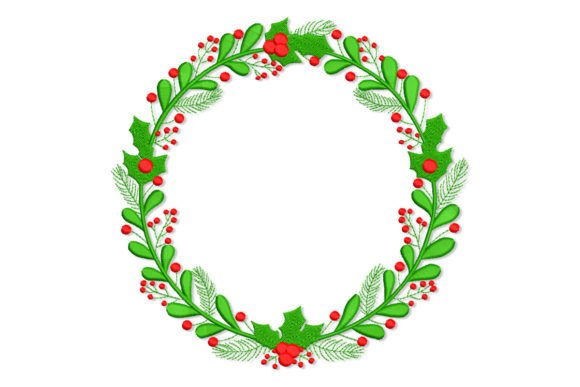
Review: Christmas Wreath Embroidery Design
As an embroidery designer who has spent countless hours behind the hoop and even more time standing behind a craft fair table, I know that not every design is created equal. Some look stunning on a screen but fail to capture attention in person. Others are so dense they puckers the fabric beyond repair. Today, I am putting the Christmas Wreath Embroidery Design under the microscope. This is not just a technical review; it is a business assessment for those of us looking to maximize our holiday sales.
The holiday season is the Super Bowl for handmade sellers. Whether you are an Etsy seller, a boutique maker, or a weekend warrior at local markets, your product lineup needs to sing. I recently loaded this digital embroidery file into my software to evaluate its potential as a high-converting craft fair product. Here is my honest take on how this design performs in the real world of handmade goods.
First Impressions: Festive Elegance Meets Practicality
The first thing I noticed about the Christmas Wreath Embroidery Design is its versatility. It strikes a delicate balance between rustic charm and modern elegance. It does not scream "cheap novelty"; instead, it whispers "thoughtful gift." For a designer, this is crucial. We need designs that feel premium because customers are willing to pay more for items that look high-end.
The wreath motif is a timeless classic. It avoids overly complex details that might get lost in translation when stitched out. Instead, it relies on strong shapes and balanced composition. This makes it an ideal candidate for a wide range of fabrics. When I visualize this on a tote bag design, I see immediate appeal. It is bold enough to be seen from three feet away—a critical factor for booth displays—yet refined enough to look sophisticated up close.
Product Application: Where This Design Shines
To truly judge a machine embroidery design, you must imagine it on various substrates. I mentally mapped this wreath onto several popular handmade product categories to see where it would generate the most revenue.
- Tote Bags and Market Bags: This is arguably the strongest application. A canvas tote with a centered wreath creates an instant bestseller. The design acts as a focal point without overwhelming the bag’s utility. It photographs beautifully for online listings, offering a clean, crisp look that appeals to eco-conscious shoppers.
- Apron Embroidery: Holiday hosting is huge, and embroidered aprons make fantastic gifts. Placing this wreath on the bib of a linen or cotton apron adds a touch of festive warmth. It transforms a standard kitchen item into a cherished heirloom piece.
- Tea Towel Embroidery: Kitchen textiles are impulse-buy staples at craft fairs. However, caution is needed here. You must ensure the stitch density is appropriate for thinner fabrics. If the design is too heavy, it will pucker the towel. Assuming the file is optimized, this wreath could look charming on the corner of a flour sack towel.
- Embroidered Patches: Patches are low-cost, high-margin items. This design scales down well for iron-on or sew-on patches. They are perfect for adding to denim jackets or backpacks, appealing to a younger demographic looking for subtle holiday flair.
- Pillow Covers: For home decor, this design works well as a central element on square pillow covers. It adds texture and visual interest to living room setups during the holidays.
Production Realities: Stitch Density and Fabric Texture
Let’s talk about the nitty-gritty of production. As a small shop owner, time is money. I look for designs that are reliable and repeatable. The Christmas Wreath Embroidery Design appears to be structured for efficiency. However, there are careful-use notes every embroiderer must consider.
Fabric texture plays a massive role in the final outcome. On smooth cotton or polyester blends, the threads will lay flat and shine. On textured towels or rough linen, some finer details might get lost. I always recommend testing the design on scrap fabric before committing to a full batch. Check your thread colors against the fabric. A traditional green and red palette works, but consider modern twists like gold and navy or silver and white for a contemporary boutique feel.
Another critical factor is the hoop size. Ensure the design fits comfortably within your standard hoops without requiring excessive re-hooping, which slows down production. If you are stitching on curved surfaces like caps, you must use the right stabilizer to prevent distortion. A cut-away stabilizer is often safer for wearable items that will be washed frequently.
Visual Appeal and Customer Engagement
Why does this specific wreath design help sell products? It comes down to visual clarity. In a busy craft fair environment, customers scan tables quickly. A recognizable, symmetrical shape like a wreath catches the eye instantly. It communicates "Christmas" without needing text, which makes it universally appealing.
For online sellers, this design is a dream for creating printable mockup assets. Because the shape is distinct, it looks great in digital previews. You can easily overlay the design on various product photos to show customers what the finished product will look like. This reduces hesitation and increases conversion rates.
Furthermore, using a consistent design across multiple products—such as matching tote bags and aprons—creates brand consistency. It allows you to create bundled offers, increasing your average order value. Customers love buying coordinated sets for gifts.
Designer Notes for Best Results
Before you start mass-producing, here are my top tips for getting the most out of this commercial embroidery asset:
- Test on Scrap Fabric: Never skip this step. Verify that the tension is correct and that there are no thread breaks.
- Check Thread Contrast: Ensure your thread colors pop against the fabric. Low contrast can make the design look muddy from a distance.
- Review Spacing: If the design includes any internal elements, make sure they are spaced adequately to avoid nesting or bird-nesting issues during stitching.
- Confirm Commercial Licensing: Always verify the license terms of your design assets. Ensure you have the right to sell finished products made with this file.
- Create Real Mockups: Stitch one perfect sample and photograph it in natural light. Use this image for your primary listing photo.
In conclusion, the Christmas Wreath Embroidery Design is a strong contender for your holiday lineup. It offers the right mix of aesthetic appeal and production practicality. By choosing the right fabrics and paying attention to stitch quality, you can turn this digital file into a profitable range of small shop products. Whether you are selling on Etsy or at a local market, this design has the potential to become a seasonal staple in your inventory.