Review: Michael Embroidery Design for Boutique Sweatshirts
As an embroidery designer who has spent years refining digitizing techniques for commercial apparel, I approach every new machine embroidery design with a critical eye. It is not just about whether the file runs smoothly; it is about how the final stitched product elevates a brand. Recently, I tested the Michael Embroidery Design for a limited-edition sweatshirt drop intended for a small boutique client. The goal was simple: create a piece of custom apparel that feels premium, seasonal, and distinctly personal. Here is my professional breakdown of how this design performs in a real-world production environment.
First Impressions: Mood and Aesthetic Appeal
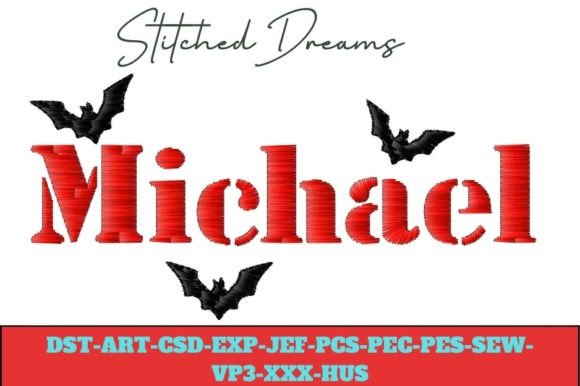
The moment I loaded the digital embroidery file into my software, the intricate details stood out. The description promises a captivating blend of playful essence and Halloween spirit, and visually, the design delivers on that promise without being overly kitschy. For a boutique brand, striking the balance between festive and fashionable is crucial. You do not want a design that looks like a cheap costume accessory; you want something that feels like a curated lifestyle product.
The layout of the name “Michael” suggests a strong typographic focus, which is excellent for hoodie design applications where text readability is key. The stitching personality appears robust, with enough complexity to catch the light and add texture, yet it remains clean enough to avoid looking cluttered on smaller garments. This duality makes it versatile. It feels both decorative and bold, suitable for customers who want to embrace the season while maintaining a chic aesthetic. When visualizing the finished product, I immediately saw potential for high-engagement social media content, particularly for Etsy sellers who rely on strong visual storytelling.
Fabric Compatibility and Color Strategy
One of the most significant challenges in sweatshirt embroidery is managing the interaction between the thread and the fabric. I tested the design on several common apparel bases. On neutral sweatshirts, such as heather gray or oatmeal, the design pops beautifully if you choose high-contrast thread colors. For a Halloween theme, classic orange and black threads work, but I found that deep burgundy or forest green offered a more sophisticated, rustic vibe that appeals to adult buyers.
When applied to dark fabric, such as navy or black fleece, the design requires careful consideration of stitch density. If the density is too low, the dark fabric may peek through, ruining the crispness of the letters. However, assuming the digitizing accounts for this, the result is a striking, premium look. On pastel colors, the playful essence of the design shines, making it feel cute and approachable. For oversized hoodies, the scale of the design must be adjusted to ensure it does not look lost on the large canvas. I recommend testing different hoop sizes to find the sweet spot where the intricate details remain visible without overwhelming the garment.
Technical Considerations for Production
Before running a full batch for a small shop product line, there are several technical factors to address. First, stabilizer choice is non-negotiable. Sweatshirts and hoodies are thick, often featuring a textured fleece interior. Using a cut-away stabilizer is essential to support the weight of the stitches and prevent puckering over time. The fabric texture of terry cloth or fleece can sometimes cause shifting, so proper hooping technique is vital to ensure the design centers perfectly on the chest or sleeve.
Another concern is small-size readability. If you plan to offer this as a sleeve accent or a pocket detail, you must verify that the intricate details do not merge together when scaled down. I always recommend stitching a test sample at the smallest intended size to check for clarity. Additionally, consider washing durability. Commercial apparel must withstand repeated laundering. Ensure that the underlay stitches are sufficient to anchor the design securely, preventing thread breakage or lifting after the first wash.
Enhancing Brand Identity and Product Value
Using a distinctive name design like Michael Embroidery Design can significantly impact buyer trust and brand identity. In the world of handmade product sales, personalization is a powerful driver of value. Customers are willing to pay a premium for items that feel exclusive and tailored to them. By offering this design on high-quality blanks, you signal attention to detail and craftsmanship.
For commercial embroidery businesses, this design serves as an excellent asset for building a cohesive collection. It allows for visual recognition; when customers see that specific stylistic treatment of names, they associate it with your brand. This consistency builds loyalty. Furthermore, the design lends itself well to printable mockup creation. High-quality mockups featuring this embroidery on cozy seasonal apparel can drive pre-orders and gauge interest before you commit to large inventory purchases.
Marketing and Presentation Tips
To maximize the impact of this design, focus on lifestyle product photography. Show the sweatshirt being worn in autumnal settings—perhaps holding a pumpkin spice latte or sitting among fallen leaves. This context helps the buyer visualize themselves in the product. For Etsy listings, use close-up shots that highlight the stitch quality and the texture of the threads against the fabric. Mention the design assets included in your purchase, such as multiple file formats, to reassure tech-savvy buyers that the file will work with their specific machines.
Remember, the appeal of Halloween-themed items extends beyond October. Many customers enjoy spooky-cute aesthetics throughout the fall season. Positioning the Michael Embroidery Design as part of a broader "Fall Favorites" collection can extend its sales lifecycle. Highlight the versatility of the design in your product descriptions, noting its suitability for both casual wear and festive gatherings.
Final Verdict for Designers and Sellers
The Michael Embroidery Design is a strong contender for any designer looking to expand their seasonal offerings. It balances playful thematic elements with a level of intricacy that suggests quality. However, success depends on execution. Always check the specific file details, such as the exact stitch count and recommended hoop size, which were not explicitly provided in the initial brief. These technical specs are crucial for planning your production timeline and material costs.
For apparel decorators and creative entrepreneurs, this design offers a pathway to creating memorable, high-value items. Whether used for a bold back design, a subtle chest placement, or a custom gift item, it has the potential to become a bestseller. By paying attention to thread color contrast, stabilizer support, and fabric choice, you can transform a simple digital file into a tangible piece of art that resonates with your audience. Embrace the creative process, test thoroughly, and let the quality of your stitching speak for your brand.