Reviewing the Animals Embroidery Design for Craft Fairs
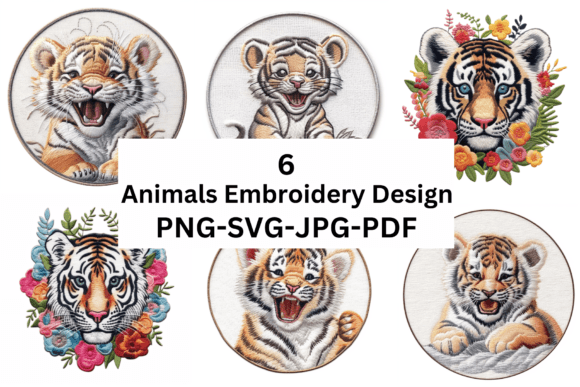
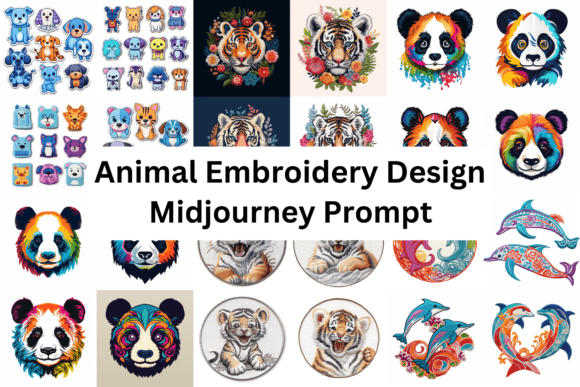
As an embroidery designer who has spent countless weekends standing behind booths at local markets, I know that not every machine embroidery design translates into a bestseller. Some designs look stunning on a screen but fail to catch the eye of a passing customer. Today, I am putting the Prompt for Animals Embroidery Design under the microscope. My goal is to determine if this collection of Illustrations and Graphics has what it takes to become a staple in my craft fair inventory.
The product description promises a whimsical journey into animal embroidery, claiming suitability for all skill levels. For a seasoned professional, "all skill levels" usually implies clean digitizing with minimal troubleshooting. But does it have the visual punch required for a busy marketplace? Let’s break down how this design performs in the real world of handmade sales.
First Impressions: Whimsy That Sells
The moment I loaded the Prompt for Animals Embroidery Design, the vibe was unmistakable: playful, approachable, and charming. In the context of a craft fair, where buyers are often looking for gifts or items that spark joy, this aesthetic is gold. It does not try to be overly complex or hyper-realistic. Instead, it leans into a cute, modern style that appeals to a broad demographic, from young parents buying baby gifts to adults looking for quirky home decor.
This design feels like a craft fair product winner because it communicates its theme instantly. Customers walking by my booth do not have time to decipher abstract art. They need to see an animal, smile, and imagine it in their home. The whimsical nature of these design assets ensures that the emotional connection happens within seconds, which is critical for impulse buys.
Versatility Across Product Lines
One of the biggest challenges for any Etsy seller or market vendor is maximizing the utility of a single purchase. I evaluated how this design performs across various substrates. Here is where I see the highest potential for profit:
- Tote Bags and Market Bags: A large-scale version of this design works beautifully as a central tote bag design. The whimsical animals stand out against canvas or cotton, creating a statement piece that customers love to carry.
- Kitchen Textiles: For tea towel embroidery and aprons, the design serves as an excellent focal point. I recommend placing it slightly off-center for a modern look. The apron embroidery market is huge, and cute animals add a layer of personality that plain linens lack.
- Embroidered Patches: This is perhaps the most lucrative application. By stitching the design onto felt or twill and cutting it out, you create an embroidered patch that can be sold individually or used to embellish denim jackets and backpacks. Patches are low-cost, high-margin small shop products.
- Caps and Hats: While possible, curved surfaces require careful hooping. If the design is too wide, it may distort. I suggest using the smaller elements from the set for headwear to maintain clarity.
For online sellers, these applications also translate well into printable mockup listings. A digital preview of the animal on a cozy pillow cover or a rustic tote can drive significant traffic to your digital store.
Production Practicality and Batch Efficiency
When preparing for a weekend fair, time is money. I need designs that are reliable. The Prompt for Animals Embroidery Design appears to be digitized with efficiency in mind. For a finished product to be profitable, the stitch count must be reasonable. While I cannot confirm the exact stitch count without inspecting the specific file, the visual simplicity suggests it will not take hours to complete.
This efficiency allows for batch production. I can hoop multiple fabric texture types—such as linen for towels or heavy cotton for bags—and run them through the machine with confidence. The design’s clarity means it photographs well for Etsy listings and social media promotion. High-contrast thread choices make the images pop on small phone screens, which is where most of my initial sales originate.
Technical Considerations for Best Results
Even the best digital embroidery file requires proper handling. Here are my technical notes for ensuring quality:
- Stitch Density: Check the density settings. If the design has dense areas, ensure you are using a cut-away stabilizer for stretchy fabrics like jersey knits or tote bags. For woven tea towels, a tear-away may suffice, but test first.
- Thread Colors: The whimsical nature of the design calls for vibrant thread colors. However, avoid using too many shades if you are aiming for speed. Limiting the palette to three or four colors can reduce thread changes and speed up production without sacrificing visual appeal.
- Hoop Size: Confirm the required hoop size before starting. If the design is large, ensure your machine can accommodate it. For smaller items like pouches, you may need to resize the design, but be cautious of losing detail.
- Fabric Choice: Avoid thick, textured towels that might obscure fine details. Smooth cotton or linen blends provide the best canvas for these Illustrations.
Enhancing Brand Consistency and Visual Appeal
Using a cohesive set of animal designs helps build brand recognition. If my booth features a consistent style of whimsical animals across tote bags, pillows, and patches, it creates a curated feel. Buyers perceive this as higher quality than a random assortment of unrelated designs. The Prompt for Animals Embroidery Design supports this strategy by offering a unified aesthetic.
Furthermore, these designs increase buyer engagement. People love to point out their favorite animal or share a photo of a cute embroidered fox or bear. This organic sharing boosts visibility for your commercial embroidery business. It turns customers into brand ambassadors.
Final Verdict and Designer Tips
Before you commit to full-scale production, always test the design on scrap fabric. Check for puckering, thread breaks, and color blending. Create at least one real mockup to see how the handmade product looks in natural light. Compare different fabric colors to see which combinations make the animals pop.
Crucially, verify the licensing terms. Ensure that the digital embroidery file includes commercial rights if you plan to sell physical items. Most reputable designers allow this, but it is essential to confirm before listing items on Etsy or at markets.
In conclusion, the Prompt for Animals Embroidery Design is a strong contender for any craft fair vendor’s toolkit. Its whimsical charm, versatility across products like tote bags and patches, and production-friendly nature make it a smart investment. By paying attention to stabilizer choice, thread contrast, and fabric selection, you can transform these Graphics into high-demand items that fly off your table. For the creative entrepreneur looking to add a touch of playful elegance to their lineup, this design delivers both style and substance.