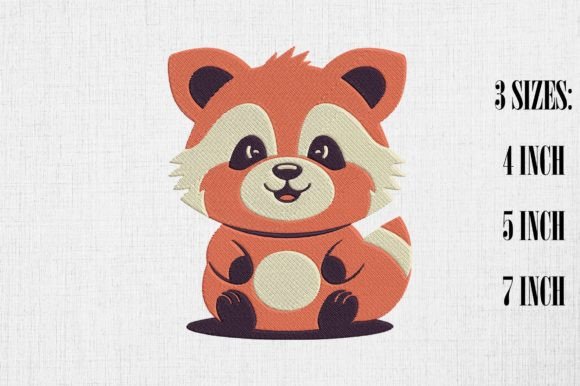
Reviewing the Cute Kawaii Red Panda Embroidery Design
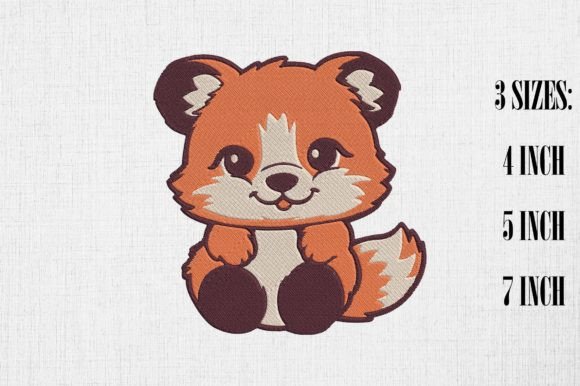
As a designer who spends more time staring at stitch simulations than I care to admit, I have learned that not every machine embroidery design translates well from screen to fabric. Some look charming in a digital preview but turn into a tangled mess of thread breaks and puckering once the needle hits the hoop. When I first loaded the Cute Kawaii Red Panda Embroidery Design into my software, my initial reaction was cautious optimism. The silhouette is clean, the proportions are balanced, and the "kawaii" aesthetic—characterized by oversized eyes and simplified features—is executed with enough restraint to remain professional rather than childish.
I decided to put this design through its paces, not just as a hobbyist, but with the mindset of a small business owner preparing inventory for an upcoming craft fair. My goal was to determine if this asset could hold its own in a competitive market of handmade goods. Here is my practical assessment of how this design performs in real-world applications.
First Impressions and Visual Personality
The immediate mood this design creates is one of warmth and approachability. In the world of Baby Animals themed Embroidery, it is easy to fall into the trap of excessive detail, which often compromises stitch quality on smaller hoops. This red panda, however, relies on strong shapes and confident lines. The layout is compact, making it versatile for various placements. Whether you are looking to create a focal point on a chest pocket or a subtle accent on a sleeve, the visual personality of this piece is adaptable.
What stands out most is the balance between the fill areas and the open spaces. A common pitfall in kawaii-style designs is overly dense stitching in the face or body, which can cause fabric distortion. From what I can observe in the simulation, this design appears to use a thoughtful mix of satin stitch for outlines and finer details, and fill stitch for the broader color blocks. This combination is crucial for maintaining the integrity of the fabric, especially when working with softer materials like cotton blends or fleece.
Real-World Application: The Tote Bag Test
To test the versatility of the Cute Kawaii Red Panda Embroidery Design, I simulated its application on a canvas tote bag. Tote bags are a staple for any Etsy seller or craft business, but they present unique challenges due to the weave of the fabric and the potential for shifting during stitching.
On a medium-weight canvas, the design held up remarkably well. The thread colors typical of a red panda—rusty oranges, creams, and dark browns—provide excellent contrast against natural beige or white canvas. For a custom apparel project, such as a sweatshirt, the design’s simplicity ensures that it does not get lost in the texture of the fleece. I found that the scale was perfect for a left-chest placement on a hoodie, offering a boutique feel without overwhelming the garment.
For those interested in baby embroidery, this design is particularly suitable for onesies or bibs. The lack of intricate, tiny details means there are fewer loose threads to worry about, which is a significant safety and durability consideration for infant items. It makes for an adorable personalized gift that feels high-end rather than mass-produced.
Navigating Fabric and Hoop Constraints
While the design is robust, it is not without its limitations. Any experienced embroiderer knows that stitch density and fabric choice are inextricably linked. I would advise caution when using this design on very thin or stretchy fabrics without proper stabilization. On a lightweight rayon or silk, the weight of the thread could cause puckering, ruining the smooth lines of the red panda’s face.
If you are planning to use this on a curved surface, such as a cap, ensure your hoop size is appropriate for the design’s width. Caps require precise digitizing to account for the curvature, and while this design is relatively flat, testing on a scrap piece of similar material is non-negotiable. For textured fabrics like terry cloth towels, you might need to adjust the underlay or use a cut-away stabilizer to prevent the stitches from sinking into the pile.
Dark fabrics present another consideration. If you are stitching this on a black or navy garment, you will need to ensure that the design includes a proper underlay or background fill to prevent the fabric color from showing through the lighter cream or orange sections. This is a common issue with digital embroidery file usage that can be easily mitigated with a test run.
Commercial Viability and Brand Consistency
For small shop product creators, consistency is key. The Cute Kawaii Red Panda Embroidery Design offers a level of professionalism that enhances brand trust. When customers see clean, crisp stitching with no bird’s nests or skipped stitches, they perceive higher value. This design supports that perception.
It fits seamlessly into a broader collection of animal-themed items. If you are building a line of holiday embroidery gifts, this red panda could easily be adapted with seasonal accessories—think a small scarf for winter or a flower crown for spring. Its neutral yet charming expression allows it to appeal to a wide demographic, from toddlers to adults who appreciate whimsical decor.
When creating printable mockup assets for your online store, this design photographs well. The distinct shapes read clearly even in smaller thumbnail images, which is vital for click-through rates on platforms like Etsy. It serves as a strong design asset for anyone looking to expand their catalog without sacrificing quality.
Practical Designer Notes for Best Results
Before you commit to producing a large batch of finished product items, here are my top recommendations for getting the best out of this design:
- Test on Scrap Fabric: Always run a test stitch-out on the exact fabric you intend to use. This helps you identify any tension issues or registration errors before they ruin a final garment.
- Check Thread Contrast: Ensure your thread colors have sufficient contrast. If using variegated thread, be aware that it may obscure some of the finer details of the red panda’s facial features.
- Review Stitch Density: If your machine allows, review the density settings. For plush fabrics, you may want to reduce density slightly to prevent stiffness.
- Confirm Hoop Size: Verify that the design fits comfortably within your hoop with adequate margin for stability.
- Inspect Small Details: Zoom in on the eyes and nose in your software. These are the focal points; ensure they are digitized cleanly to avoid thread bunching.
- Licensing Check: Always confirm the license terms provided with the embroidery file. Ensure you have the right to use it for commercial sales if you plan to sell the embroidered items.
In conclusion, the Cute Kawaii Red Panda Embroidery Design is a solid addition to any designer’s library. It balances charm with technical practicality, making it suitable for a wide range of projects from embroidered patch creations to home decor. By respecting the material constraints and preparing your setup correctly, you can produce high-quality items that resonate with customers and stand the test of time.