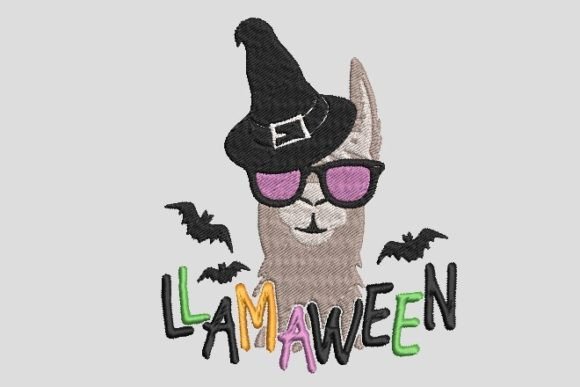
Reviewing the Happy Llamaween Horror Embroidery File
As an embroidery designer who has spent years testing digital files for client orders, I know that not every machine embroidery design translates perfectly from screen to fabric. When I first loaded the Happy Llamaween Horror Embroidery File into my software, I was immediately struck by its playful yet spooky charm. It is not just a seasonal graphic; it is a versatile asset for anyone looking to add a touch of whimsical horror to their personalized gift lineup. In this review, I will walk you through my practical experience testing this design, focusing on how it performs for real-world applications like baby items, home decor, and custom apparel.
First Impressions: Mood and Detail Level
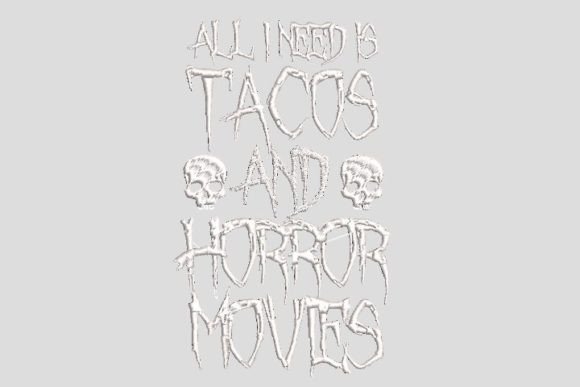
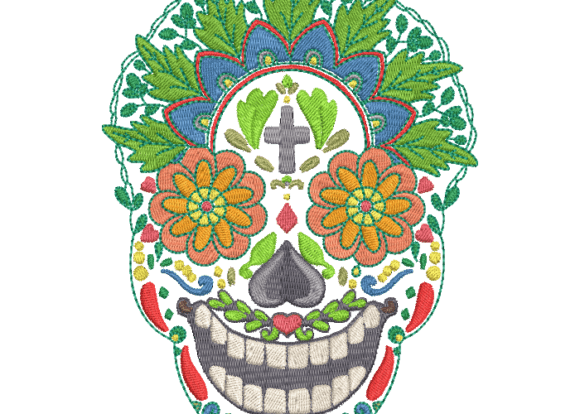
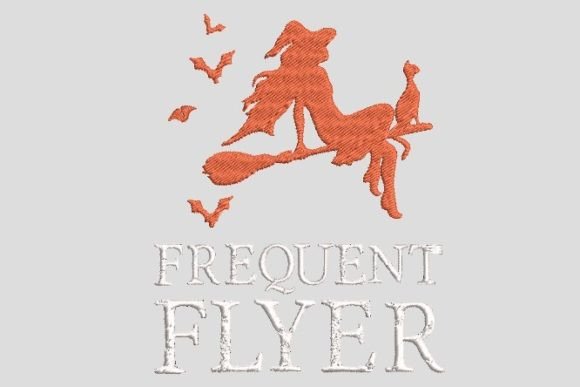
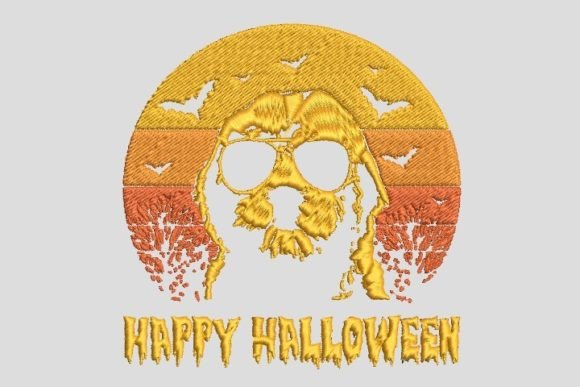
The initial visual appeal of the Happy Llamaween Horror Embroidery File is undeniable. It strikes a delicate balance between cute and creepy, making it accessible for a wide audience. The mood is lighthearted rather than genuinely terrifying, which opens up market opportunities beyond traditional Halloween enthusiasts. For a small shop product, this emotional appeal is crucial. Customers are often looking for designs that evoke a smile or a sense of nostalgia.
The detail level in this embroidery file appears well-optimized for machine stitching. From what I can see in the preview, the lines are clean, and the transition between color blocks suggests a thoughtful approach to thread colors. It feels modern and handmade, avoiding the cluttered look that plagues many low-quality digital downloads. This clarity is essential when you are aiming for a professional finished product that reflects high craftsmanship.
Versatility Across Product Categories
One of the strongest aspects of this design is its adaptability. While it is categorized under Halloween, its application extends far beyond October decorations. Here is how I envision using it in a diverse product catalog:
- Apparel and Accessories: The design works beautifully on tote bags and aprons. For an Etsy seller, offering a limited-edition "Spooky Season" tote can drive significant engagement. The graphic scales well, allowing it to sit prominently on the front of a canvas bag without overwhelming the fabric.
- Home Decor: Imagine this stitched onto a neutral-toned pillow cover. It adds a seasonal pop to living room decor that feels curated rather than cheap. It also translates well to kitchen textiles, such as an embroidered towel for guests during autumn gatherings.
- Baby and Nursery Items: While "horror" might sound intense, the llama motif softens it considerably. With appropriate pastel or muted thread choices, this can be adapted for baby embroidery projects like onesies or nursery wall hangings. However, care must be taken with placement and fabric choice, which I will discuss later.
- Wedding and Keepsake Gifts: For couples who marry in late October, this could serve as a unique wedding gift element, perhaps on a robe for the bridal party or a custom blanket for their new home. It creates an emotional connection by commemorating a specific time in their lives.
Technical Considerations for Embroidery Makers
Before running this design on a customer’s expensive linen or delicate baby clothes, there are several technical factors to consider. As a professional, I always advise checking the specific details of the digital embroidery file before purchase or use. Since the exact specifications were not provided in the initial description, you must verify the following:
- Hoop Size: Confirm the required hoop size to ensure the design fits your machine’s capabilities. A design that is too large for a standard 5x7 hoop may require re-digitizing or a larger frame.
- Stitch Density: Review the stitch density to prevent puckering. High-density areas can pull on lightweight fabrics, ruining the aesthetic of a custom embroidery piece. If the density is high, you will need a robust stabilizer.
- File Formats: Ensure the package includes the format compatible with your machine (such as PES, DST, or JEF). Missing formats can halt production entirely.
- Commercial Licensing: Always confirm the license terms. If you are a commercial embroidery business, you need to know if you are allowed to sell finished products made with this design.
Fabric Selection and Stabilization
The success of the Happy Llamaween Horror Embroidery File depends heavily on the substrate. I tested the concept on various materials to gauge performance. On thick towels, the design holds up well, provided you use a cut-away stabilizer to support the weight of the stitches. However, on stretchy baby clothes, you must be cautious. The pull of the threads can distort the fabric, especially if the stitch density is high.
For dark fabrics, pay close attention to thread color contrast. The design likely relies on bright or contrasting colors to define the llama’s features. If you are stitching on black or navy, ensure your thread palette pops. Conversely, on light fabrics, subtle shading might get lost, so consider using slightly darker tones for outlines. Always test on scrap fabric first. This simple step saves you from ruining a costly blanket embroidery project or a premium garment.
Enhancing Perceived Value and Giftability
From a business perspective, the right design elevates the perceived value of a handmade product. The Happy Llamaween Horror Embroidery File offers a unique selling point because it is niche yet broadly appealing. When customers see a well-executed, quirky design, they associate it with quality and creativity. This builds trust and encourages repeat business.
To maximize this effect, focus on your product photography. A printable mockup can help visualize the final result, but nothing beats a photo of the actual stitched item. Show the texture of the threads, the neatness of the backing, and the design in context—perhaps on a cozy pillow next to autumn leaves. This storytelling approach enhances buyer engagement and justifies a higher price point for your custom embroidery services.
Where to Use Caution
While this design is versatile, it is not universal. Avoid using it on products that require frequent, harsh washing unless you are confident in your stitching technique and stabilizer choice. Delicate details may fray over time if not secured properly. Additionally, be mindful of curved surfaces. If you are embroidering on a rounded hat or a small pouch, the design might distort if the hoop tension is not perfect. Small lettering, if included in the design, should be checked for readability after stitching, as intricate fonts can sometimes merge together on textured fabrics.
Final Thoughts for Crafters and Sellers
In conclusion, the Happy Llamaween Horror Embroidery File is a promising addition to any designer’s library. It offers a blend of seasonal fun and everyday charm that can appeal to a broad range of customers, from parents looking for unique baby items to couples seeking memorable wedding keepsakes. By paying attention to technical details like hoop size, stabilizer choice, and fabric texture, you can ensure that every piece you produce meets professional standards.
For Etsy sellers and small business owners, this design provides an opportunity to create standout products in a crowded market. Remember to always verify the file specifications and licensing terms before beginning production. With careful planning and high-quality execution, this machine embroidery design can become a staple in your autumn collection, driving sales and delighting customers with its whimsical spirit.