Aztec Embroidery Zigzag Pattern Review
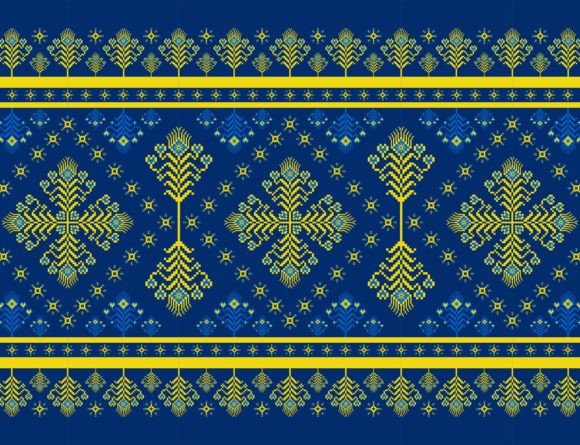
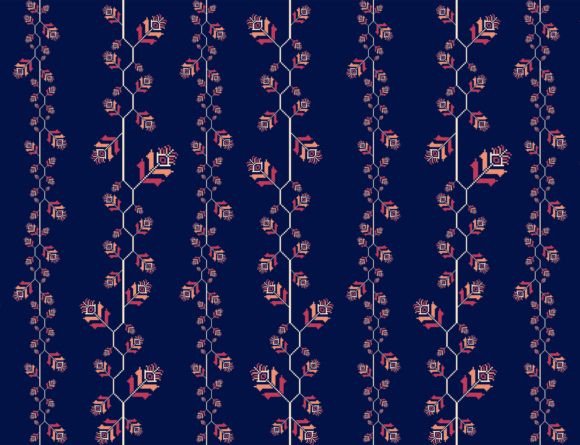
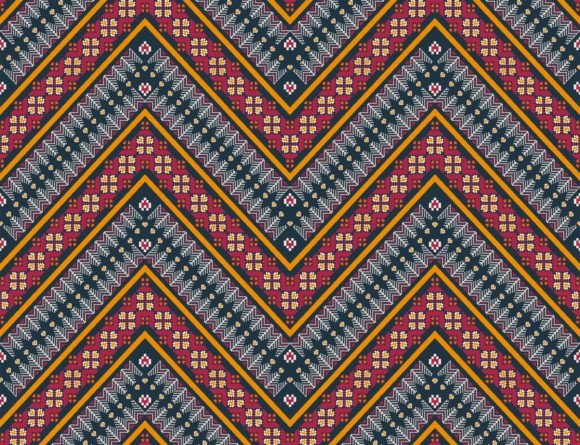
As an embroidery designer who has spent countless weekends standing behind craft fair tables, I have learned that not every design translates well from a screen to a physical product. When I first loaded the Aztec Embroidery Zigzag Pattern into my digitizing software, my immediate thought was about versatility. This is not just another floral motif; it is a structural element. The description highlights a vector ethnic floral geometric zigzag shape with a seamless pattern pixel art style. For those of us selling at handmade markets, this combination of ethnic geometry and modern pixel aesthetics offers a unique visual hook that stands out in a sea of traditional botanicals.
First Impressions and Visual Appeal
The first thing you notice about this machine embroidery design is its rhythm. The zigzag structure creates a sense of movement that draws the eye across the fabric. It feels bold yet controlled, striking a balance between rustic charm and modern graphic design. Unlike soft, flowing vines that can sometimes look messy if the tension is off, geometric patterns rely on precision. This design appears to offer clean lines that would look crisp on a variety of textiles. It does not scream "farmhouse" exclusively; instead, it leans towards a contemporary ethnic vibe that appeals to a younger demographic looking for unique, giftable items.
When evaluating Graphics for commercial use, I always ask: does it look expensive? This pattern has the potential to elevate a simple cotton tote into a premium accessory. The pixel art style mentioned in the description suggests a retro-digital influence, which is currently trending in boutique maker circles. It is decorative without being overly busy, making it an excellent candidate for brands aiming for a consistent, modern aesthetic.
Product Applications for Craft Fairs
Imagine your booth table. You need items that catch attention from three feet away. Here is how I envision using this Aztec Embroidery Zigzag Pattern across different product lines:
- Tote Bags and Market Bags: This is arguably the best application. A large-scale version of this zigzag pattern running horizontally across a canvas tote creates a striking tote bag design. It is easy to read at a glance, and the geometric nature means it photographs beautifully for your online listings.
- Aprons and Tea Towels: For kitchenware, the pattern works wonderfully as a border. An apron embroidery featuring this zigzag along the hem or pocket adds a professional touch. Similarly, tea towel embroidery benefits from the seamless nature of the pattern, allowing you to repeat it along the edges for a cohesive look.
- Embroidered Patches: If you are looking to create small, high-margin items, consider turning this into an embroidered patch. The geometric shapes hold up well at smaller sizes, provided the stitch density is managed correctly. These patches can be sold individually or used to embellish denim jackets and caps.
- Pillow Covers and Home Decor: The ethnic geometric vibe fits perfectly with modern bohemian home decor. Using this as a central motif on a neutral linen pillow cover can transform a basic item into a statement piece.
Production Practicality and Batch Selling
For any Etsy seller or small shop owner, time is money. One of the strongest advantages of this design is its repeatability. Because it is described as a seamless pattern, it is ideal for batch production. You can hoop multiple items with the same setup, reducing the time spent on positioning and alignment. This efficiency is crucial when preparing for a busy weekend craft fair where you need to restock quickly.
However, practical judgment is required. Before committing to a full run, you must consider the stitch density. Geometric patterns, especially those with pixel art influences, can sometimes become dense if the digitizer packs too many stitches into small areas. High density can lead to puckering, especially on lighter fabrics like tea towels. I strongly advise testing the design on scrap fabric first. Check how the thread colors interact with the background. High contrast works best for geometric designs; think bright turquoise on navy, or white on black.
Technical Considerations for Quality Control
To ensure your finished product looks professional, pay attention to these technical details:
- Hoop Size and Placement: Confirm the recommended hoop size before purchasing. If you plan to embroider large tote bags, ensure the design fits within your standard hoop without requiring excessive re-hooping, which can cause misalignment.
- Stabilizer Selection: The right stabilizer is non-negotiable for geometric designs. Cut-away stabilizer is often best for stretchy fabrics like t-shirts or caps, while tear-away may suffice for stable cottons. Incorrect stabilization will distort the zigzag lines, ruining the crisp aesthetic.
- Fabric Texture: Consider the fabric texture. Thick, textured towels might obscure finer details of the pixel art style. On such materials, simplify the design or increase the scale to maintain clarity. Conversely, smooth cottons will showcase the intricate zigzag stitches effectively.
- Curved Surfaces: If applying this to caps, remember that curved surfaces distort designs. You may need to adjust the pull compensation or choose a simpler section of the pattern to avoid bunching.
Marketing and Brand Consistency
From a marketing perspective, this design helps build brand consistency. If your shop focuses on modern, ethnic-inspired goods, this digital embroidery file becomes a core asset. Use it to create printable mockup images for your website. Show the pattern on a variety of products to demonstrate its versatility. Customers love seeing how a single design can look on a pouch, a cap, and a towel. This cross-selling technique increases the perceived value of your craft fair product lineup.
Furthermore, the visual appeal of the zigzag pattern encourages buyer engagement. It is distinct enough to stop a scrolling customer on social media or a walking customer at a market. It signals that your handmade product is thoughtful and designed with current trends in mind. When customers see a clean, well-executed geometric pattern, they associate it with quality and attention to detail.
Final Designer Notes
Before you launch this into your commercial embroidery catalog, there are a few final checks. First, verify the license terms. Ensure that the design assets you are purchasing allow for the sale of finished physical goods. Most designers do, but it is critical to confirm. Second, create at least one real-world sample. Photos of digital files can be misleading. Seeing the thread sheen and texture in person will help you decide if the color palette needs adjustment.
In conclusion, the Aztec Embroidery Zigzag Pattern is a strong contender for any maker looking to expand their Patterns library with something modern and versatile. It bridges the gap between traditional ethnic motifs and contemporary graphic design. With careful attention to stitch density, fabric choice, and stabilization, this design can become a staple in your booth, driving sales through its bold visual impact and production efficiency. Whether you are an experienced embroidery file user or just starting your journey as a creative entrepreneur, this pattern offers the flexibility needed to succeed in today's competitive handmade market.