Gingerbread Village Embroidery Paper Review
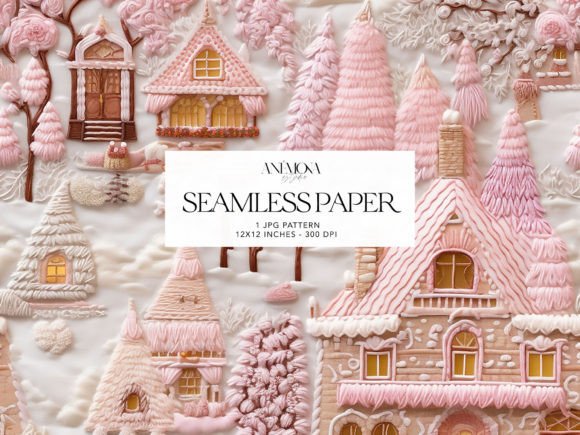
As an embroidery designer who has spent years translating digital concepts into tangible finished product realities, I approach every new asset with a critical eye. It is not just about whether a design looks cute on a screen; it is about how it performs in the wild world of commercial embroidery. Recently, I evaluated the Gingerbread Village Embroidery Paper from Anemona Estudio, and while it presents itself as a digital graphic within the Patterns and Graphics categories, its potential for small business branding is significant if handled correctly.
This review is written specifically for small business owners, Etsy sellers, apparel decorators, and crafters who are looking to elevate their brand identity through unique visual assets. Whether you run a boutique bakery, a cozy café, a floral studio, or a handmade gift shop, understanding how to leverage this type of design can transform your small business merch from generic to memorable.
First Impressions: Visual Personality and Professional Appeal
The first thing that strikes you about the Gingerbread Village Embroidery Paper is its inherent warmth. The title alone evokes feelings of nostalgia, comfort, and artisanal quality. In the context of design, this is a powerful tool. For businesses that rely on a "handmade" or "homestyle" aesthetic, this asset feels immediately aligned with their core values. It does not scream modern minimalism or corporate rigidity; instead, it offers a friendly, rustic, and decorative vibe.
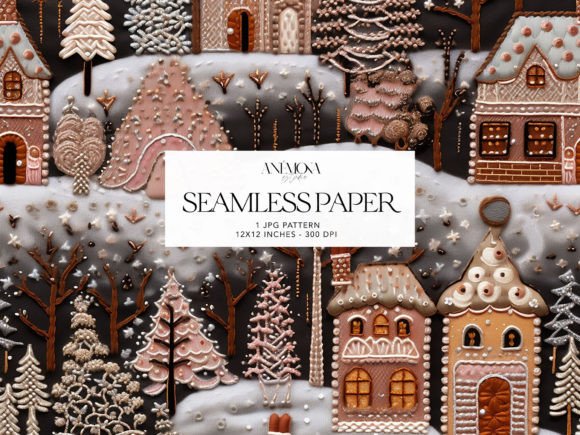
However, as a designer, I must distinguish between a raw digital embroidery file and a faux embroidery graphic. The product description specifies that you receive one JPG file at 300 dpi, RGB, seamless, and sized 12″x12″. This is crucial information. This is not a stitch file ready for your machine. It is a high-resolution graphic that mimics the look of embroidery. For a professional embroiderer, this means the asset is best used for mockups, printed materials, or as a reference for creating custom digitized designs, rather than being sent directly to an embroidery machine.
Real-World Business Applications
So, how does this translate to real-world use for a creative studio or local business? The versatility of the Gingerbread Village Embroidery Paper lies in its application as a visual anchor for custom apparel and branded goods. Let us imagine a local bakery wanting to launch a holiday line. This graphic could serve as the central motif for a series of embroidered patch designs. By using the JPG as a template, a digitizer can create a simplified, stitch-friendly version that captures the charm of the village without the excessive detail that often plagues machine embroidery.
- Apron Embroidery: For staff uniforms in a café or bakery, a simplified version of this village scene on the chest pocket adds a touch of whimsy and professionalism.
- Tote Bag Design: The seamless nature of the paper allows for creative placement on canvas totes. A single house or a cluster of buildings can be embroidered on the corner, creating a subtle yet distinct brand mark.
- Cap Embroidery: While a full village is too complex for a standard cap front, isolating a single gingerbread house element can create a charming, compact logo for winter promotions.
- Product Packaging: Since this is a high-resolution JPG, it can be printed on hang tags, stickers, or tissue paper to reinforce the handmade product feel before the customer even opens the package.
For Etsy sellers and merch creators, this asset is invaluable for creating printable mockup images. You can overlay this graphic onto photos of blank garments to show clients exactly how the final embroidered patch or design will look. This reduces back-and-forth communication and helps customers visualize the value of your design assets.
Navigating Technical Constraints and Fabric Choices
While the aesthetic appeal is high, we must discuss where caution is required. The intricate details implied by a "village" scene can be problematic in actual stitching if not properly simplified. When converting this graphic into a machine-ready format, stitch density becomes a primary concern. Too many stitches in a small area can lead to puckering, especially on lighter fabrics.
I advise testing the design on various fabric texture types. Heavy twill works well for patches, but delicate cottons may struggle with the density required to capture the village details. Furthermore, consider the hoop size. A 12″x12″ graphic suggests a large design, but most commercial embroidery machines have smaller maximum hoop sizes. You will likely need to scale down the design or split it into elements.
Another critical factor is color contrast. The gingerbread theme suggests warm browns, creams, and reds. Ensure these thread colors stand out against your garment choices. Dark uniforms may require a white or light-colored underlay to make the design pop, while light aprons might need darker outlines for definition. Always check if the design works in black and white first to ensure the shapes are recognizable without relying solely on color.
Enhancing Brand Identity and Customer Trust
Consistency is key to building brand identity. Using a cohesive visual theme like the Gingerbread Village Embroidery Paper across multiple touchpoints creates a sense of professionalism and attention to detail. When a customer receives a tote bag with an embroidered design that matches the sticker on the packaging and the graphic on your website, it builds trust. It signals that you are a serious business that cares about presentation.
This level of visual consistency increases perceived value. A simple t-shirt becomes a collector's item when adorned with a unique, well-executed design. For small businesses, this differentiation is vital in a crowded market. It turns a commodity into a handmade product with soul. Moreover, seasonal designs like this can drive urgency and engagement, encouraging repeat purchases from customers who want to update their wardrobe or home goods with the latest themed merchandise.
Practical Designer Notes for Implementation
Before you commit to production, here are my top recommendations for using this asset effectively:
- Verify Licensing: The product description mentions it is perfect for illustrations, but always confirm commercial licensing terms with Anemona Studio before using it for client work or resale items.
- Digitize Carefully: Do not attempt to auto-digitize this complex JPG. Hire a professional digitizer or spend time manually creating the stitch path to ensure clean lines and proper pull compensation.
- Test on Real Fabric: Never skip the test stitch. Use the same stabilizer and fabric you plan to use for the final run. Check for registration issues and thread breaks.
- Create Mockups: Use the high-res JPG to create realistic printable mockup presentations for your online store. This helps manage customer expectations regarding size and detail.
- Consider Scale: Remember that what looks good on a 12″ screen may be too busy on a 3″ patch. Simplify elements for smaller applications like cap embroidery or sleeve details.
In conclusion, the Gingerbread Village Embroidery Paper is a versatile and charming asset for designers and small business owners. While it requires careful translation from graphic to stitch, its potential to enhance brand identity and create engaging small business merch is substantial. By respecting the technical limitations of embroidery and leveraging the visual warmth of the design, you can create products that resonate deeply with your audience. Always prioritize quality control and proper digitization to ensure that your finished product reflects the professionalism your brand deserves.