Brooms Are for Amateurs Embroidery File Review
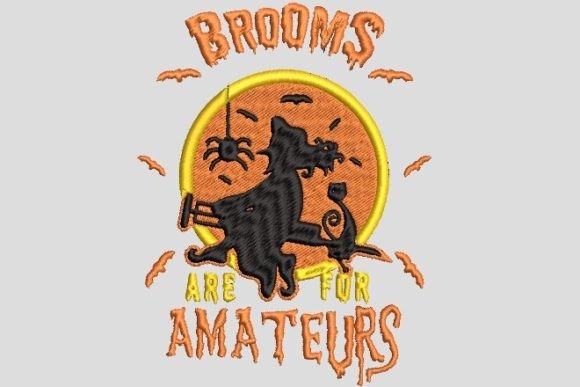
As an embroidery designer who has spent years digitizing and testing designs for small business merchandise, I approach every new machine embroidery design with a critical eye. It is not just about whether the art looks cute on a screen; it is about how it performs on fabric, how it holds up in the wash, and most importantly, how it serves the brand identity of the business using it. Recently, I reviewed the Brooms Are for Amateurs Embroidery File, a piece that immediately caught my attention for its potential in seasonal branding and niche apparel markets.
This review is written specifically for small business owners, Etsy sellers, apparel decorators, and crafters who are looking to expand their product lines with high-quality, thematic assets. Whether you run a boutique coffee shop looking for limited-edition staff aprons or a handmade brand seeking unique Halloween-themed gifts, understanding the technical and aesthetic nuances of this file is crucial before you hit the stitch button.
First Impressions: Visual Personality and Brand Fit
The first thing that strikes me about the Brooms Are for Amateurs Embroidery File is its tone. The phrase itself is playful, slightly cheeky, and inherently confident. Visually, this suggests a design that leans towards a modern, witty aesthetic rather than a traditional, spooky horror vibe. For brands that position themselves as fun, approachable, and contemporary, this design fits perfectly. It feels less like a decoration and more like a statement piece.
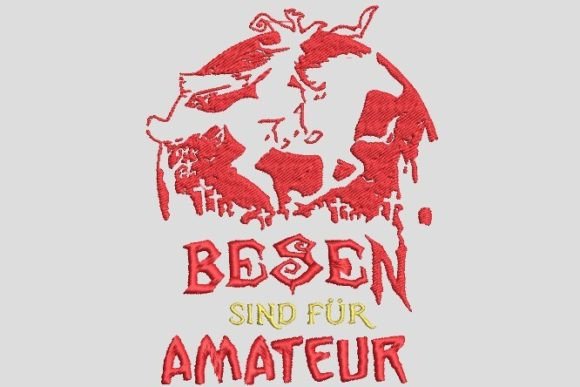
In terms of style, the design appears versatile. It can work as a bold central graphic on a tote bag or as a subtle, humorous accent on a cap. The inclusion of the German translation note, "Included - Besen sind fur amateur Br," indicates that the designer may have considered international appeal or multi-language variations, which is a thoughtful touch for global sellers. However, for most English-speaking markets, the primary value lies in the humor and the clear, readable typography that usually accompanies such slogans.
Real-World Business Applications
When evaluating a digital embroidery file for commercial use, I always ask: where does this live in a customer’s life? Here is how I see this design performing in real business scenarios:
- Staff Uniforms and Aprons: For cafes, bakeries, or boutique retail stores, embroidered aprons are a huge trend. Placing this design on the chest or lower corner of an apron adds personality to staff uniforms. It breaks the ice with customers and reinforces a fun brand culture.
- Embroidered Patches: This is perhaps the strongest use case. Patches are low-risk, high-reward items for Etsy sellers. You can iron or sew these onto denim jackets, backpacks, or hats. The Brooms Are for Amateurs Embroidery File works well here because slogan-based designs often look crisp and professional when rendered as a patch with a satin border.
- Tote Bag Design: Reusable totes are staples for grocery runs and library visits. A Halloween-themed tote that isn’t overly scary but rather witty appeals to a broader audience. This design can serve as the main focal point on a canvas tote, offering great visibility for your brand if you add your logo nearby.
- Cap Embroidery: Front-panel caps are popular for casual merch. If the design is compact enough, it makes for an excellent curved-surface application. It turns a standard hat into a conversation starter.
Technical Considerations for Production
While the concept is strong, the execution depends entirely on the technical quality of the file. As a designer, I advise checking several key factors before running a full production batch.
Stitch Density and Fabric Texture: Slogan designs often rely on clean lettering. If the stitch density is too high, the fabric may pucker, especially on lighter materials like t-shirts or thin tote bags. Conversely, if the density is too low, the backing fabric might show through. Always test this design on the specific fabric texture you plan to use. For textured fabrics like terrycloth towels or heavy denim, you may need to adjust underlay stitches to ensure the letters remain legible.
Hoop Size and Placement: Confirm the required hoop size before purchasing. If the design is large, it may require a 5x7 or 6x10 hoop, which limits the types of machines that can produce it. For smaller applications like pocket logos or sleeve details, ensure the design scales down without losing clarity. Tiny lettering can become a blob of thread if scaled too small, so check the minimum recommended size provided by the digitizer.
Stabilizer Selection: To maintain the integrity of the text, using the correct stabilizer is non-negotiable. For knit fabrics like t-shirts, a cut-away stabilizer is usually best to prevent distortion after washing. For woven fabrics like tote bags or aprons, a tear-away might suffice, but test thoroughly to ensure the design lays flat.
Brand Identity and Customer Trust
Using a well-digitized file like the Brooms Are for Amateurs Embroidery File directly impacts your brand identity. High-quality embroidery signals professionalism. When a customer receives a finished product with clean edges, proper tension, and no loose threads, their trust in your brand increases. This design, being humorous and seasonal, helps humanize your brand. It shows that you pay attention to trends and care about creating engaging small business merch rather than just generic items.
Furthermore, consistency is key. If you use this design on a tote bag, consider using similar font styles or thematic elements on your printable mockup images and social media posts. This visual consistency helps with recognition and makes your shop look cohesive and curated.
Where to Use Caution
Not every item is suitable for every design. Be cautious when applying this file to:
- Dark Uniforms: If the design relies on light thread colors, ensure you have high-contrast options. Dark threads on dark fabric will disappear. Always create a mockup to check contrast.
- Frequently Washed Items: If you are making baby clothes or gym wear, ensure the stitch type is durable. Satin stitches can snag more easily than fill stitches. Consider adding a border to protect the edges.
- Curved Surfaces: Embroidering on caps requires experience. The design must be centered perfectly, and the pull compensation must be accurate to prevent the text from warping around the curve of the cap front.
Practical Designer Notes for Buyers
Before you integrate this embroidery file into your design assets library, follow these steps:
- Test in Black and White: Remove color variables first. If the design doesn’t read clearly in monochrome, it won’t work well in color either. This helps you evaluate the digitizing quality of the outlines and spacing.
- Check Commercial Licensing: Always confirm the license terms. Can you use it for physical products you sell? Are there limits on the number of units? Never assume; always read the included license file.
- Create a Mockup: Before stitching, use software to place the design on a virtual garment. This helps you visualize scale and placement, saving time and thread.
- Verify File Formats: Ensure the download includes the format compatible with your machine (e.g., PES, DST, JEF). The description mentions "Included - Besen sind fur amateur Br," which might refer to additional language files or variations, so check the folder contents carefully.
In conclusion, the Brooms Are for Amateurs Embroidery File is a strong contender for businesses looking to add personality to their Halloween or autumn collections. It bridges the gap between novelty and professionalism, offering a witty touch that resonates with modern consumers. By paying attention to technical details like stabilizer choice, hoop size, and fabric compatibility, you can transform this digital asset into a high-value custom apparel item or accessory that drives sales and enhances your brand’s reputation.