Review: Butterflies Embroidery Design for Real Projects
As a designer who spends more time staring at stitch maps than finished garments, I have learned that the difference between a good machine embroidery design and a great one lies in the details. It is not just about how pretty the preview looks on a screen; it is about how those threads behave when they hit the fabric. Recently, I had the chance to evaluate the Butterflies Embroidery Design, a digital file featuring a trio of enchanting butterflies. My goal was not just to admire the art, but to determine if it holds up under the scrutiny of real-world production for my craft business and client projects.
First Impressions: Grace Meets Precision
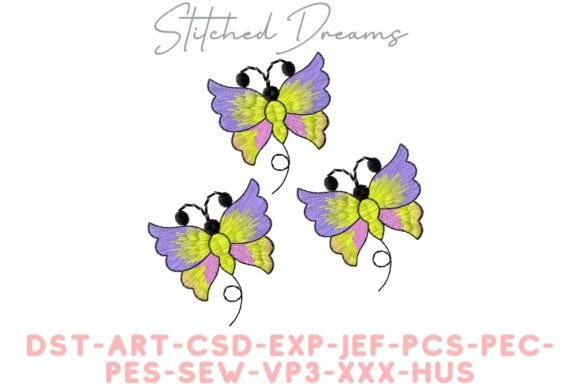
The first thing that strikes you about this embroidery file is its balance. The layout showcases three butterflies, each distinct yet harmoniously grouped. They are not merely static images; they feel like they are in mid-flight, creating a sense of movement that is difficult to capture with thread. The description promises a symphony of colors, and visually, the design delivers. The wings are intricate, suggesting a blend of vibrant hues that rely on careful color planning.
From a technical standpoint, the shape and theme suggest versatility. This is not a overly dense, blocky graphic that weighs down lightweight fabric. Instead, it feels airy. For an Etsy seller or a boutique owner, this visual lightness is crucial. It implies elegance rather than bulk, making it suitable for higher-end handmade products where subtlety often sells better than loud, heavy graphics.
Real-World Application: The Tote Bag Test
To truly understand the value of any design assets, you must imagine them on a product. I visualized this trio on a canvas tote bag, a staple for many small shop owners. The horizontal spread of the three butterflies works exceptionally well here. It creates a focal point across the center of the bag without overwhelming the material.
I also considered its use in custom apparel. Imagine this on the upper left chest of a linen shirt or the back yoke of a denim jacket. The intricate wings would catch the light beautifully, especially if using rayon or polyester threads with a high sheen. For sweatshirt embroidery, the design’s open areas allow the fleece texture to peek through slightly, preventing that stiff, cardboard-like feel that plagues poorly digitized files. This makes it a strong candidate for personalized gifts where comfort is as important as aesthetics.
Baby Items and Delicate Fabrics
When considering baby embroidery, caution is key. Babies have sensitive skin, and heavy stitching can be irritating. Because this design features delicate threads and intricate wings, it requires a keen eye on stitch density. If the digitizer has used too many fill stitches in the wing centers, it might become rigid. However, if the design utilizes a mix of satin stitch borders and lighter fills, it could work wonderfully on a muslin swaddle or a cotton onesie. Always test on scrap fabric first to ensure the backing does not show through excessively on thin materials.
Technical Considerations for the Maker
Before loading this digital embroidery file into your machine, there are several practical factors to review. These notes come from years of troubleshooting failed hoops and broken needles.
- Stitch Density and Underlay: Check the density settings. High density on stretchy fabrics like jersey knits will cause puckering. Ensure the design has proper underlay stitches to stabilize the fabric before the top stitches lay down.
- Thread Color Contrast: The design relies on vibrant hues. When stitching on dark fabrics, you may need to adjust the thread palette or add a white underlay to make the colors pop. Conversely, on white cotton, ensure the outlines are distinct enough to define the wing shapes.
- Hoop Size Compatibility: Verify the dimensions of the design against your hoop. While the trio is likely compact, ensure you have enough margin around the edges for the hoop grip, especially if placing it off-center on a garment.
- Stabilizer Selection: For woven fabrics like cotton or linen, a cut-away stabilizer provides long-lasting support. For knits, consider a tear-away with a fusible topping to prevent the stitches from sinking into the fabric texture.
Navigating Challenges: Where to Be Careful
No design is perfect for every surface. The Butterflies Embroidery Design has specific contexts where it requires extra attention. For instance, curved surfaces like caps present a challenge. The intricate details of the wings might distort if the fabric stretches unevenly during stitching. If you attempt embroidered patch creation for hats, use a stiff stabilizer and consider simplifying the smallest details if they tend to bunch up.
Additionally, be mindful of fabric texture. On highly textured towels or waffle-weave blankets, the fine lines of the wings might get lost. In these cases, increasing the satin stitch width slightly or choosing a contrasting thread color can help maintain visibility. Avoid using this design on very thin, slippery synthetics without a water-soluble topping, as the needle may push the fabric down, causing jams or uneven tension.
Commercial Value and Brand Consistency
For commercial embroidery professionals, the reliability of a design directly impacts brand reputation. A clean, well-digitized file reduces machine downtime and thread breaks. The Butterflies Embroidery Design, with its graceful aesthetic, aligns well with brands focusing on nature, spring collections, or feminine apparel. It enhances the perceived value of the finished product.
When creating printable mockups for your online store, this design offers excellent visual appeal. The symmetry of the trio allows for balanced composition in photos, whether placed on a pillow cover or a kitchen towel. This consistency helps build customer trust. Buyers can see exactly what they are getting, and the high-quality appearance of the stitched sample reassures them of your craftsmanship.
Licensing and Final Checks
Finally, always confirm the licensing terms. As a craft business owner, you need to know if you can sell items made with this applique design or if it is for personal use only. Most reputable designers provide clear guidelines for small shop products. Do not assume; read the documentation included with the file. Also, check the available formats to ensure compatibility with your specific embroidery machine software.
In conclusion, the Butterflies Embroidery Design is a thoughtful addition to any designer’s library. It bridges the gap between artistic flair and technical practicality. By respecting the nuances of stitch density, fabric choice, and placement, you can transform this digital asset into a stunning physical reality. Whether for holiday embroidery gifts or everyday tote bag design enhancements, this trio of butterflies offers the grace and professionalism that modern makers strive for.