Spider Web Embroidery Design Review for Merch
As an embroidery designer who has spent years digitizing and reviewing files for commercial use, I approach every new machine embroidery design with a critical eye. It is not just about whether the artwork looks pretty on a screen; it is about how it performs under the needle, how it holds up after washing, and most importantly, how it serves the brand identity of the small business owner purchasing it. Recently, I had the opportunity to evaluate the Spider Web Embroidery Design, a digital file that promises a captivating blend of cobwebs and intricate motifs. For boutique owners, Etsy sellers, and apparel decorators looking to add a touch of mystery or rustic charm to their small business merch, this review breaks down the practical application, aesthetic value, and technical considerations of this specific asset.
First Impressions: A Spellbinding Visual Identity
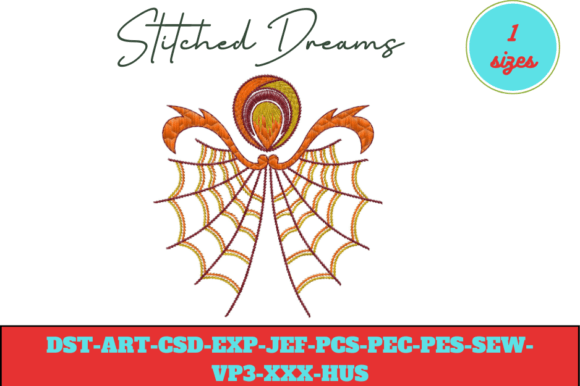
The first thing that strikes you about the Spider Web Embroidery Design is its atmospheric quality. The description notes a "spellbinding and mysterious composition," and visually, this translates into a design that is both delicate and bold. Unlike generic bug-themed graphics that can often appear cartoonish or overly aggressive, this design leans into elegance. The delicately woven cobwebs suggest a level of sophistication that works surprisingly well beyond just Halloween seasons. For brands in the gothic, rustic, vintage, or even high-end botanical niches, this design offers a unique visual hook. It feels handmade yet premium, avoiding the cluttered look that often plagues complex Embroidery files. When placed within the Bugs category, it stands out as a more artistic interpretation rather than a literal insect depiction, making it versatile for year-round branding if styled correctly.
Real-World Applications for Small Businesses
For a local café, a creative studio, or a boutique florist, branded merchandise is a powerful tool for customer retention. Here is how I envision the Spider Web Embroidery Design performing in real-world scenarios:
- Embroidered Patches: This is perhaps the strongest use case. The intricate web pattern creates a natural border, making it ideal for circular or oval patches. These can be sewn onto denim jackets, canvas bags, or hats, allowing customers to buy a low-cost add-on that promotes your brand.
- Apron Embroidery: For bakeries, bars, or craft workshops, staff uniforms are walking billboards. Placing this design on the chest pocket or the lower corner of a dark-colored apron adds a subtle, professional touch that distinguishes your staff from competitors.
- Cap Embroidery: A smaller version of this design works exceptionally well on the front panel of dad hats or trucker caps. The radial symmetry of a web centers beautifully on curved surfaces, provided the digitizing accounts for the push-and-pull of the fabric.
- Tote Bag Design: Canvas tote bags are staples for handmade product sellers. The contrast of white or silver thread against a natural canvas or black fabric creates a striking finished product that appeals to eco-conscious shoppers.
When used as a custom apparel accent, such as on the sleeve of a work shirt or the back yoke of a flannel, the design acts as a subtle signature. It does not scream for attention but invites closer inspection, which increases engagement and perceived value.
Technical Considerations and Production Notes
While the aesthetic appeal is high, the technical execution is where many small business owners stumble. As a designer, I must highlight several critical factors before you load this digital embroidery file into your machine.
Stitch Density and Fabric Texture: Cobweb designs inherently rely on fine lines and open spaces. If the stitch density is too high, the threads may crowd each other, causing the fabric to pucker or the design to lose its delicate definition. Conversely, if the density is too low, the backing material might show through. I strongly recommend testing this design on the exact fabric texture you intend to use. Heavy denim behaves differently than lightweight cotton or polyester blends.
Stabilizer Selection: Given the intricate nature of the motifs, proper stabilization is non-negotiable. For stretchy fabrics like t-shirts or caps, a cut-away stabilizer is likely necessary to prevent distortion over time. For woven fabrics like tote bags or aprons, a tear-away might suffice, but always test first. The goal is to maintain the structural integrity of the web without adding unnecessary bulk.
Thread Colors and Contrast: The impact of this design relies heavily on contrast. While black-on-black can look sleek and subtle for luxury branding, it may get lost in low light. I advise creating a printable mockup with various thread colors—such as silver, charcoal, or even deep purple—to see which offers the best visibility for your specific brand palette. Remember, what looks good on a monitor may not translate directly to thread sheen.
Where to Use Caution
Not every application is suitable for every design. With the Spider Web Embroidery Design, you should exercise caution in the following areas:
- Very Small Sizes: If you shrink the design too much for a tiny label or a small chest logo, the intricate details may merge into a solid blob. Always check the minimum recommended size provided by the digitizer.
- High-Wear Areas: While durable, fine web-like stitches can snag more easily than solid fills. Avoid placing this design on areas of garments that experience high friction, such as the inner elbow or underarm.
- Dark Uniforms with Dark Thread: If brand recognition is the primary goal, ensure there is enough contrast. A dark web on a navy uniform might look sophisticated but fail to be recognizable from a distance.
Enhancing Brand Identity and Trust
Incorporating unique design assets like this into your product line does more than just decorate an item; it builds brand identity. Consistency in visual elements fosters trust. When a customer sees the same high-quality embroidered patch on their tote bag, their coffee apron, and their event merchandise, it reinforces professionalism. It signals that you care about the details. For handmade brands, this level of customization separates you from mass-produced competitors. It turns a simple transaction into an experience, enhancing buyer engagement and encouraging social media shares when customers post photos of their stylish, branded gear.
Final Designer Recommendations
Before committing to a large production run of commercial embroidery projects using the Spider Web Embroidery Design, follow these steps:
- Test Stitch-Outs: Always run a test on scrap fabric identical to your final product. Check for thread breaks, nesting, or puckering.
- Verify File Details: Since specific technical data like exact stitch count, file format compatibility (PES, DST, JEF, etc.), and hoop size requirements were not explicitly detailed in the initial overview, you must confirm these with the seller. Ensure the file fits your machine’s maximum hoop area.
- Check Licensing: Confirm that the purchase includes a commercial license. Most digital designers allow small business use, but terms vary regarding mass production limits.
- Create Mockups: Use digital tools to place the design on photos of your actual products. This helps in marketing pre-sales and getting client approval if you are doing custom work.
In conclusion, the Spider Web Embroidery Design is a compelling choice for businesses aiming to project a mysterious, elegant, or rustic vibe. With careful attention to stabilizer choice, thread contrast, and placement, it can become a standout element in your small business merch lineup. It is not just a design; it is a branding tool that, when executed correctly, adds tangible value to your handmade product offerings.