Reviewing Floral Cross Stitch Embroidery Tradition
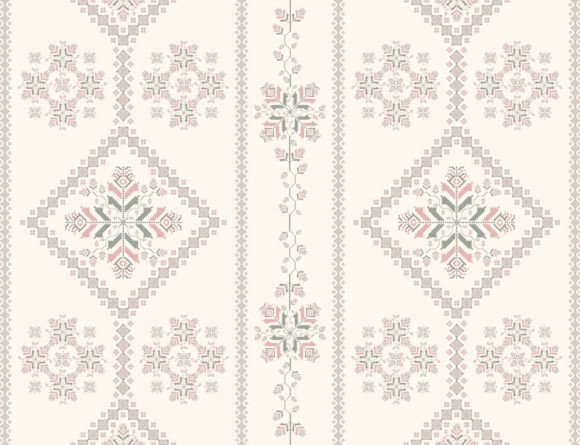
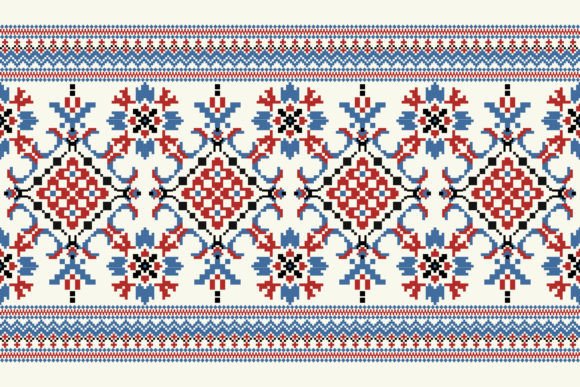
As an embroidery designer who spends countless hours digitizing and testing patterns for seasonal collections, I approach every new machine embroidery design with a critical eye. It is not just about aesthetics; it is about viability in a crowded market. When I first loaded the Floral Cross Stitch Embroidery Tradition into my software, I was immediately struck by its unique blend of styles. This is not your typical rustic farmhouse floral. Instead, it merges the comforting nostalgia of cross-stitch with a bold, geometric ethnic oriental pattern that hints at Aztec style abstract vector illustration influences. For those of us creating seasonal embroidery lines, this fusion offers a fresh perspective on traditional holiday motifs.
First Impressions: A Fusion of Heritage and Modern Geometry
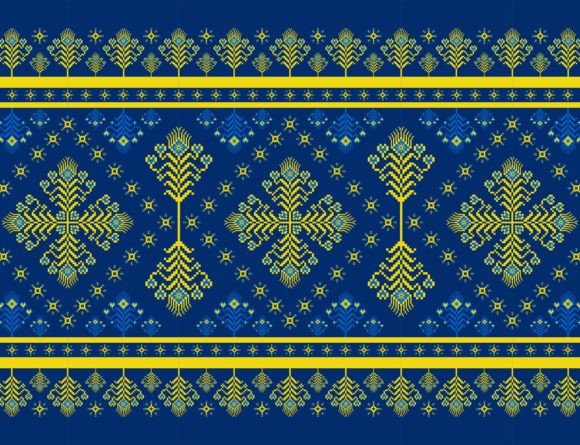
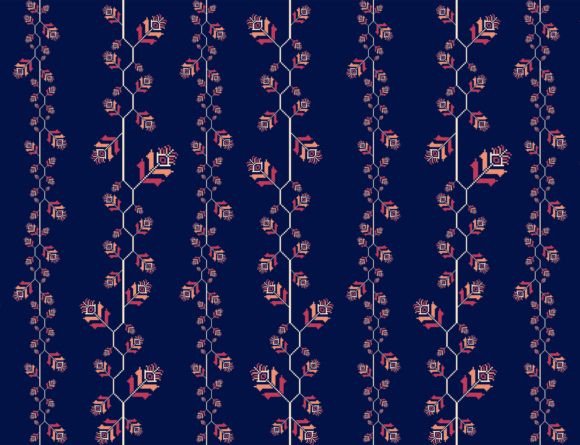
The visual impact of Floral Cross Stitch Embroidery Tradition is distinct. The white background mentioned in the product description suggests a clean canvas, but the design itself is rich with texture and complexity. It feels both cozy and premium, striking a balance that is difficult to achieve. The geometric elements provide a modern edge, while the floral components retain a soft, romantic appeal. This duality makes it incredibly versatile for holiday embroidery projects that need to stand out on social media feeds dominated by standard snowflakes and reindeer.
From a Graphics perspective, the line work is crisp. As a designer, I look for clarity in digital files, and this pattern delivers. The interplay between the abstract vector-style shapes and the traditional stitch simulation creates a depth that translates well onto various materials. Whether you are aiming for a rustic, nostalgic vibe or a more contemporary, eclectic look, this design adapts seamlessly. It evokes a sense of heritage, making it perfect for customers seeking meaningful, handcrafted items during the gift-giving season.
Strategic Applications for Holiday Product Lines
When planning a seasonal shop collection, versatility is key. I tested the potential of Floral Cross Stitch Embroidery Tradition across several product categories, and the results were promising for any Etsy seller or small business owner. Here is how this design performs in real-world selling situations:
- Sweatshirt Embroidery: The geometric density of the pattern holds up beautifully on heavyweight cotton blends. Placed on the left chest or as a larger back piece, it creates a high-value finished product that appeals to buyers looking for unique winter wear.
- Tote Bag Design: Canvas totes are holiday staples. The intricate details of this pattern add a touch of elegance to simple bags, transforming them from utilitarian items into stylish accessories for holiday shopping or gift wrapping.
- Kitchen Towel Embroidery: For home decor enthusiasts, this design works exceptionally well on linen or cotton towels. The "cross stitch" aesthetic complements the kitchen environment, offering a handmade charm that mass-produced items lack.
- Pillow Cover Accents: Adding this pattern to neutral-toned pillow covers can instantly refresh a living room for the holidays. It serves as a focal point without overwhelming the space.
- Embroidered Patch Creation: If you sell accessories, consider stitching this design onto felt or twill to create iron-on patches. These are excellent add-ons for jackets, hats, or backpacks, increasing the average order value.
For handmade gift creators, this design is a powerhouse. It lends itself well to personalized gifts, such as monogrammed aprons or family-matching ornaments. The emotional tone of the design—warm, intricate, and thoughtful—enhances the perceived value of the item, making it feel like a cherished heirloom rather than a disposable commodity.
Navigating Technical Challenges and Fabric Choices
While the aesthetic appeal is high, practical application requires careful consideration. As an experienced designer, I must highlight where Floral Cross Stitch Embroidery Tradition should be used with caution. The geometric ethnic oriental pattern involves detailed lines and potential layering. This means stitch density is a critical factor. If the density is too high for lightweight fabrics, you risk puckering or fabric distortion.
I recommend avoiding this design on very stretchy garments unless you use a high-quality cut-away stabilizer. Similarly, while the design is described with a white background, applying it to dark fabric requires careful planning. You may need to adjust thread colors or add an underlay to ensure the lighter geometric elements pop against the dark material. Metallic thread could enhance the Aztec-style abstract elements, but it often breaks more easily in dense areas, so test runs are essential.
Small hoop sizes present another challenge. If the design is large, it may not fit in a 4x4 inch hoop without splitting the image, which can disrupt the flow of the geometric pattern. Always confirm the hoop size requirements before purchasing the digital embroidery file. Additionally, avoid placing this intricate design on curved caps unless you have significant experience with cap framing, as the distortion can ruin the symmetry of the ethnic patterns.
Boosting Seasonal Appeal and Brand Consistency
In the competitive landscape of commercial embroidery, visual recognition is vital. Floral Cross Stitch Embroidery Tradition helps build brand consistency by offering a signature look that is neither too generic nor too obscure. It bridges the gap between traditional craft and modern design, appealing to a broad demographic. During holiday shopping periods, customers are drawn to items that tell a story. This design, with its roots in tradition and texture, invites curiosity and engagement.
Using this pattern in your marketing materials can significantly boost click-through rates. Create realistic mockups that show the texture of the stitches on fabric texture like wool, linen, or cotton. A high-quality printable mockup can help customers visualize the final product, reducing hesitation and increasing conversion rates. For small shop product launches, consider bundling items featuring this design—such as a tote bag and a matching kitchen towel—to create compelling gift sets.
Practical Designer Notes for Success
To ensure the best results with Floral Cross Stitch Embroidery Tradition, follow these practical steps:
- Test Thread Colors: Always stitch a sample on both light and dark fabrics to verify contrast and visibility.
- Check Stitch Density: Review the digitizing settings. If the design feels too stiff, reduce the density slightly to maintain fabric drape.
- Confirm Hoop Size: Ensure your machine can accommodate the required hoop size without re-hooping, which can cause alignment issues.
- Use Proper Stabilizer: Match the stabilizer to the fabric weight. Heavier fabrics may need less support, while delicate linens require robust stabilization.
- Review Small Details: After stitching, inspect the geometric lines for breaks or jumps. Trim any loose threads carefully to maintain a premium finish.
- Plan Matching Palettes: Develop a color palette that complements the ethnic and oriental influences. Earth tones, deep reds, and golds often work well for holiday themes.
- Verify Licensing: Before selling any finished product, confirm the commercial licensing terms of the embroidery file. Ensure you have the right to sell items made with this design.
In conclusion, Floral Cross Stitch Embroidery Tradition is a standout addition to any Patterns library for seasonal use. Its ability to blend traditional cross-stitch charm with modern geometric flair makes it a versatile tool for apparel decorators and crafters alike. By understanding its technical requirements and leveraging its aesthetic strengths, you can create compelling, high-value products that resonate with holiday shoppers. Whether you are designing for wrapping, decoration, or wearable art, this design offers the depth and character needed to elevate your seasonal collection.