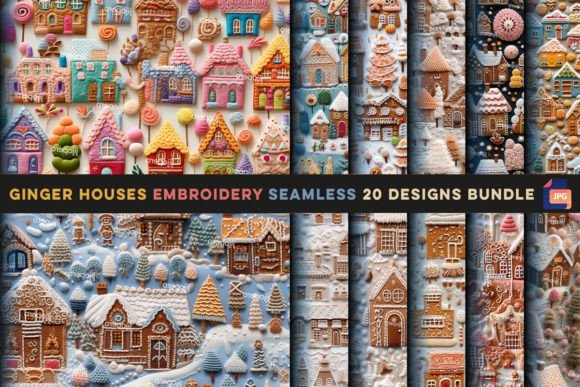
Reviewing Ginger Houses Embroidery Seamless
As an embroidery designer who has spent countless hours hooping, stitching, and unstitching, I approach every new digital embroidery file with a mix of excitement and skepticism. We all know the heartbreak of downloading a design that looks perfect on screen but turns into a tangled mess of thread breaks and puckering on fabric. Recently, I had the opportunity to test the Ginger Houses Embroidery Seamless collection for a upcoming line of personalized gifts in my shop. This bundle, featuring twenty fresh illustrations, promises to be a versatile asset for print-on-demand businesses and home crafters alike. Here is my honest, practical review of how these designs perform in the real world of handmade production.
First Impressions: Charm and Emotional Appeal
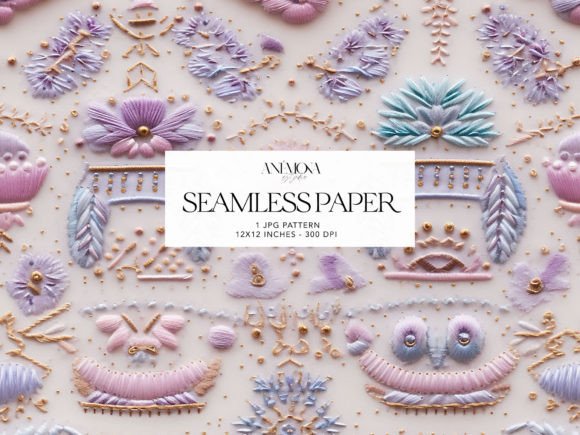
The moment I opened the preview images for Ginger Houses Embroidery Seamless, I was struck by the warmth of the aesthetic. These are not sterile, geometric patterns; they possess a distinct hand-drawn quality that feels both sweet and elegant. The mood is undeniably cozy, evoking feelings of home, heritage, and comfort. For a designer, this emotional resonance is crucial. When a customer buys a personalized gift, they are buying a feeling. These graphics capture a romantic, slightly nostalgic vibe that appeals strongly to buyers looking for something meaningful rather than mass-produced.
The detail level is balanced beautifully. There is enough intricacy to make the machine embroidery design look high-end and valuable, yet the lines are clean enough to remain legible even at smaller scales. Whether you categorize these under Patterns or Graphics, they function as cohesive visual stories. They feel modern enough for contemporary nurseries but classic enough for traditional kitchen decor.
Versatility Across Product Lines
One of the strongest selling points of this bundle is its adaptability. I tested the designs across several common product categories to see where they shined brightest. For baby embroidery, the soft, whimsical nature of the ginger houses works wonderfully on muslin swaddles and receiving blankets. The imagery is gentle and non-threatening, making it ideal for nursery items. I could easily envision these stitched onto a pillow cover for a child’s reading nook, adding a touch of storybook magic to the room.
For the wedding and home goods sector, these designs are equally potent. An embroidered towel featuring one of these seamless patterns makes for a thoughtful housewarming or wedding gift. The repetitive, seamless nature of the artwork allows for creative placement. You can run the pattern along the hem of a tea towel or center it on a large bath sheet. I also experimented with tote bags and aprons. On canvas totes, the designs held up well, providing a sturdy, eye-catching motif that elevates a simple bag into a small shop product with high perceived value.
Etsy sellers will appreciate the variety in the twenty-design bundle. It allows for consistent branding across different listings without repetition fatigue. You can offer a "Ginger House Collection" that includes matching blankets, towels, and wall hangings, creating a cohesive look that encourages multiple purchases.
Technical Considerations and Fabric Choices
While the artistic merit is high, technical execution is where many designs fail. Here is what I observed when putting Ginger Houses Embroidery Seamless to the test on the machine.
Fabric Texture and Stability: These designs perform best on stable, woven fabrics like cotton, linen, and canvas. The stitch paths appear to have a moderate density, which is great for durability but requires care on textured fabrics. When I tried stitching on a thick, waffle-weave towel, I had to adjust my tension and use a stronger cut-away stabilizer to prevent the design from sinking into the loops. On stretchy baby clothes, such as knit onesies, I highly recommend using a hoop-within-a-hoop method or a floating technique with heavy stabilizer to avoid distortion.
Stitch Density and Detail: The stitch density seems well-calibrated for general home decor. However, some of the finer details in the illustrations require precision. If you are working with a lower-end machine or older needles, you might find that very small elements merge together. I advise doing a test run on scrap fabric identical to your final product. Check the small details after stitching to ensure they remain distinct. If you are planning to use these on dark fabric, remember that the design relies on line work. You may need to adjust your thread colors to ensure sufficient contrast, or consider using a underlay stitch strategy if the file allows for editing.
Hoop Size and Placement: Since these are seamless patterns, you have flexibility in hoop size. However, always confirm the maximum dimensions of the specific file variant you are using. For larger items like blanket embroidery, you may need to multi-hoop the design. Ensure your machine’s alignment features are calibrated correctly to avoid visible jumps between hoopings. Curved surfaces, such as the cuff of a sleeve or the corner of a pillow, require careful positioning. I found that placing the design on flat areas yielded the crispest results.
Enhancing Giftability and Customer Trust
From a business perspective, the right design can significantly boost your conversion rates. Ginger Houses Embroidery Seamless adds a layer of professionalism and artistry that customers associate with high-quality handmade products. When you present a finished product featuring these graphics, it signals attention to detail. This builds customer trust, which is vital for commercial embroidery businesses.
The visual appeal also aids in marketing. These designs photograph beautifully. The intricate lines catch the light, creating shadows and depth that look stunning in product photos. For an Etsy seller, having a printable mockup or a high-quality photo of the stitched design can drive engagement. Customers can visualize the end result, whether it is a cozy winter gift or a spring nursery update. The emotional connection fostered by the charming imagery encourages buyers to choose your item over a generic alternative.
Practical Advice for Makers
Before you launch your new line using Ginger Houses Embroidery Seamless, keep these practical steps in mind:
- Test on Scrap Fabric: Never skip this step. Verify how the threads interact with your specific material.
- Check Thread Color Contrast: Ensure your chosen palette stands out against the background fabric, especially for detailed sections.
- Confirm Hoop Size: Match the design dimensions to your available hoops to minimize multi-hooping errors.
- Review Stitch Density: If the design feels too dense for lightweight fabrics, consider using a lighter weight stabilizer or adjusting machine speed.
- Use Proper Stabilizer: Cut-away stabilizers are generally safer for items that will be washed frequently, like towels and baby clothes.
- Compare Light and Dark Mockups: Visualize how the design looks on different backgrounds to expand your product range.
- Check Small Details: Inspect the stitched sample closely to ensure no tiny elements have merged or broken.
- Confirm Commercial Licensing: Always verify the license terms included in the Ginger Houses Embroidery Seamless 20 Designs Bundle before selling finished products. The description notes it is suitable for print-on-demand and home use, but clarity on commercial rights is essential for peace of mind.
In conclusion, Ginger Houses Embroidery Seamless is a strong contender for designers looking to add warmth and charm to their portfolio. It bridges the gap between digital convenience and handmade soul. With careful attention to fabric choice and stabilization, these graphics can become the centerpiece of your best-selling custom embroidery items. Whether you are creating a keepsake for a new baby or a stylish accent for a kitchen, this bundle offers the versatility and aesthetic appeal needed to succeed in today’s competitive handmade market.